- Pitangoux is now Triolla –
We’ve rebranded! Hello and welcome!


 Book a Call


מאת איה ניסן, מעצבת UX/UI ב-Triolla
התניה קלאסית וחוויית משתמש
המונח “התניה קלאסית” הוטבע לראשונה על ידי איוון פבלוב, פיזיולוג רוסי, שבשנת 1888 ערך סדרת ניסויים במערכת העיכול של כלבים. הוא בדק את תגובת נוזלי העיכול והקיבה, ושם לב לתופעה מסקרנת: הכלבים לא רק רירו כתגובה למזון – אלא גם התחילו לרייר כשראו אותו, עוד לפני שקיבלו אוכל בפועל.
בשלב זה הוא החל להבין שהכלבים קישרו את נוכחותו לאוכל – והתגובה הפיזיולוגית שלהם התעוררה רק מעצם הציפייה.
אז מה בדיוק היה הניסוי המפורסם של פבלוב?
הוא הבחין בכך שכאשר מגישים לכלב את הגירוי הלא מותנה (Unconditioned Stimulus) – במקרה הזה, אוכל – נוצרת תגובה רפלקסיבית ולא רצונית (Unconditioned Response): ריור.
פבלוב החל לצרף לגירוי הזה גירוי נייטרלי – פעמון.
כל פעם שהוגש אוכל, נשמעה גם צלצול פעמון. לאחר מספר חזרות, הכלב למד לקשר בין הפעמון לאוכל, והחל לרייר רק מהצליל, גם בלי לראות אוכל.
כך בעצם גילה פבלוב את עקרון ההתניה הקלאסית: תהליך למידה בסיסי, שבו גירוי נייטרלי נרכש כגירוי מותנה שגורם לתגובה – בגלל הקשר החוזר לגירוי מקורי טבעי.
אבל למה זה חשוב לנו כמעצבים?
כי אם חושבים על זה – כמעט כל אינטראקציה במוצר או מערכת מבוססת על התניה קלאסית כלשהי.
אנחנו מתרגלים לצלילים מסוימים כהתרעה, לצבעים שמעוררים תגובה מיידית, ולחוויות שמייצרות ציפייה לתוצאה – גם אם היא עדיין לא קרתה בפועל.
אז מה הקשר בין התניה קלאסית לחוויית משתמש?
באמצעות שמישות, אפשר לנצל התניות קיימות במוח שלנו — צבעים, סמלים, ודפוסי תגובה שהתרגלנו אליהם.
למשל, ירוק = תקין / חיובי.
אנחנו לא רוצים ללמד את המשתמש שפה חדשה, אלא להשתמש במה שהוא כבר מכיר — כדי לא לעייף אותו קוגניטיבית.
יצירת מעורבות דרך התניה
אנחנו רוצים לעורר תגובה רגשית אצל המשתמש — כמו שמחה, סקרנות, תחושת הצלחה או שייכות.
לשם כך נחבר בין גירוי מותנה (כמו כפתור או התראה) לבין תחושה לא רצונית שקשורה לדחף בסיסי כמו שייכות או הישג.
דוגמה: שייכות חברתית
רענון בלתי פוסק של הפיד, צפייה בכמה אנשים ראו אותי בלינקדאין, לייקים, עוקבים — כל אלו מייצרים תחושת קהילה והשפעה.
דוגמה: תחושת הצלחה
כשמשתמש מצליח לבצע פעולה (כמו להעלות פוסט או לסיים משימה) – הוא מקבל תחושת הישג קטנה.
זה מייצר רגע של שמחה שגורם לו לרצות לחזור שוב.
איך מיישמים את זה?
-
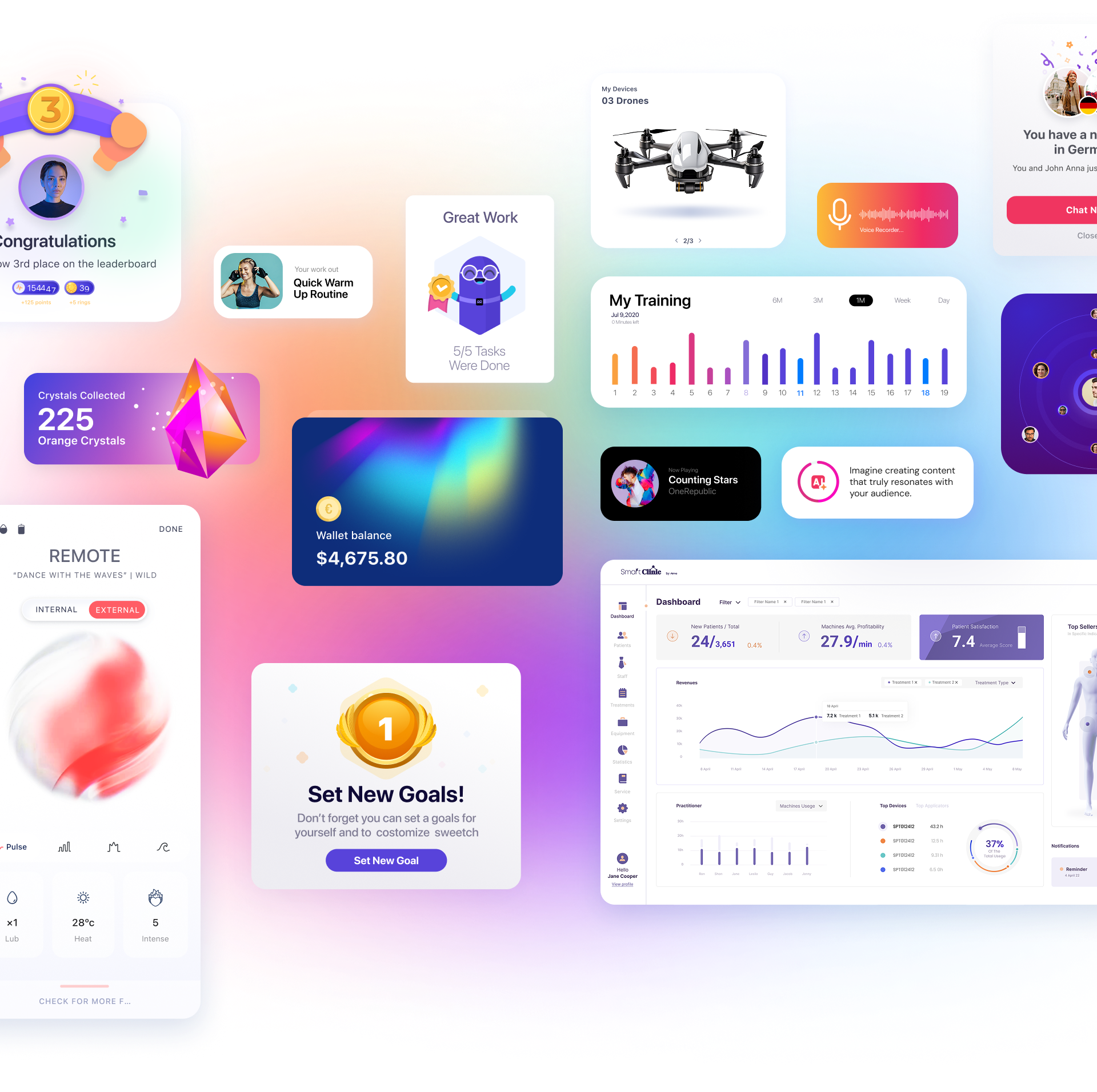
הצגת התקדמות: כמה שלבים הושלמו, כמה עוקבים יש לי, כמה מתכונים העליתי.
-
דירוג משתמשים: לראות איפה אני עומד מול אחרים – אם אני בטופ 5, ארצה להמשיך.
-
אינטראקציה חברתית: לייק, תגובה, שיחה — יוצרים השפעה הדדית ומחזקים שימוש.
סיכום
התניה קלאסית = כלי בעיצוב חוויית משתמש.
כשהממשק מפעיל רגש מוכר, המשתמש מגיב אוטומטית.
זו הדרך לבנות חוויה זכירה, חיובית וממכרת — בלי ללמד מחדש, אלא פשוט לעורר תגובה מוכרת.
By Aya Nisan, UX/UI Designer at Triolla.
The definition of classical conditioning in English is a term coined by Ivan Pavlov, a Russian physiologist, and physiologist who in 1888 conducted a series of experiments that dealt with the digestive system of dogs. He tested digestive and gastric fluids in dogs, more specifically he noticed that dogs salivate at the sight and smell of food, but beyond that, he began to understand that whenever they see him, they start to associate his face with food and automatically salivate, so he actually wanted to see how it could be connected other food stimulus to get the same saliva response.
So what exactly is Pavlov’s rule of thumb? A bit of terminology – Pavlov presented the dogs with the unconditioned stimulus that causes a reflexive physiological response and always, an unconditioned response was formed. The unconditioned response is strongly biological to the dog and is involuntary. The experiment was that each time he presented the food, he rang a bell and repeated the action several times. The conditioned stimulus is neutral, a bell should not cause any dog to salivate. After repetition of this action, learning took place for the dog, and they started salivating even when they simply heard the bell.
This conditioning is the most basic axiom for learning. It is found almost everywhere if you think about it – almost every action we do is based on classical conditioning.
So what does it have to do with user experience?
Using USABILITY, we can take an existing condition that has already been created in our brain and rely on it, if that means colors, motivation for action, and certain symbols that have already been given to us in our brain a long time ago. Let’s take, for example, the color green as symbolizing something positive or normal. We use existing conditions and would not like to create new conditions not to bother the user.
[contact-form-7 id=”958e338″ title=”Post Contact Form”]
ENGAGEMENT involvement to condition a new action – think about a voluntary response we would like to receive from the client, such as joy, fear, retention, and motivation to use. We can use the conditioning of a conditioned stimulus for an unconditioned stimulus we can produce this conditioning. We will take the basic human need to belong, to be part of a group, to succeed in relation to others as a kind of social comparison.
For example, the need to belong can be from the never-ending refreshing of the feed, the feedback I receive from an app, they will like my photo, I will see how many people viewed my profile on LinkedIn and how many compared to last week’s. If I wrote a funny post on a social network so the number of followers would increase by a few more, it would make me happy. Thus I would have the condition that every time I read my feed, I would be motivated to get a feeling of happiness.
Another example is the feeling of dopamine – a slight feeling of happiness released in the brain when I succeed in a task and feel good about myself. This is a condition that exists beautifully in social networks and all interfaces on the Internet. We want to produce small moments of happiness and raise the level of engagement among our users. This can be done by allowing the user to increase their level of use, such as the number of followers and the number of recipes they have finished uploading, and causing the user to accumulate some kind of process he has done within the interface.
To combine gamification and a leaderboard – where I stand in my progress in the interface in relation to surfers and customers similar to me, it is important for me to know who is the best or who excelled when I am in the top five, I will be satisfied with my progress.
Allow users to follow other users – visually show the status of users vis-a-vis other users, create social influence, and interact between users. If I now receive a comment on my post and I like this post, I tell another user I liked the comment, it was effective, and that’s how we feed each other. These examples create better UX for our users.